Lvxin Auto Parts (Anji) Co., Ltd

The Ultimate Guide to Heavy-Duty Flatbed Tarps: Durability Meets DOT Compliance
In the world of heavy-duty hauling, a tarp is not just a piece of fabric—it is a shield that protects thousands of dollars in freight and the reputation of the trucking fleet. For owner-operators across the U.S. and Canada, a “cheap” tarp is the most expensive mistake they can make.
1. The “Tarp Torture” Test: Environmental Demands
North American geography presents the ultimate stress test for cargo securement. A flatbed tarp must withstand:
- Thermal Shock: From -40°F in the Alberta winters to 104°F in the Texas sun. Standard PVC becomes brittle and cracks; premium 18oz Vinyl remains flexible.
- The Wind-Shear Effect: At 70 mph, wind resistance acts like a saw on the seams. High-tensile strength is the only thing preventing a catastrophic “blowout” on the interstate.
- Regulatory Compliance: Moisture damage isn’t just a claim—it affects a carrier’s CSA score. Professional drivers demand tarps that guarantee 100% waterproofing.
2. Specialized Tarps: Speaking the Language of the Road
To serve the professional market, you must distinguish between the “Big Three” tarp types:
- Lumber Tarps: Feature side “flaps” (usually 8ft) to fully enclose irregular loads of timber, protecting them from road spray and salt.
- Steel Tarps: Compact and heavy-duty. Designed without flaps to cover low-profile steel coils and plates. The focus here is extreme abrasion resistance.
- Machinery Tarps: The “multitool” of tarps. Equipped with multiple rows of D-Rings to secure oddly shaped equipment, tractors, and industrial parts.
3. The Anatomy of a High-Performance Tarp (The Lvxin Standard)
What separates a “retail” tarp from an Industrial-Grade shield?
- Heat-Welded Seams: We move beyond simple stitching. Heat-welding creates a molecular bond that is 100% waterproof and stronger than the fabric itself.
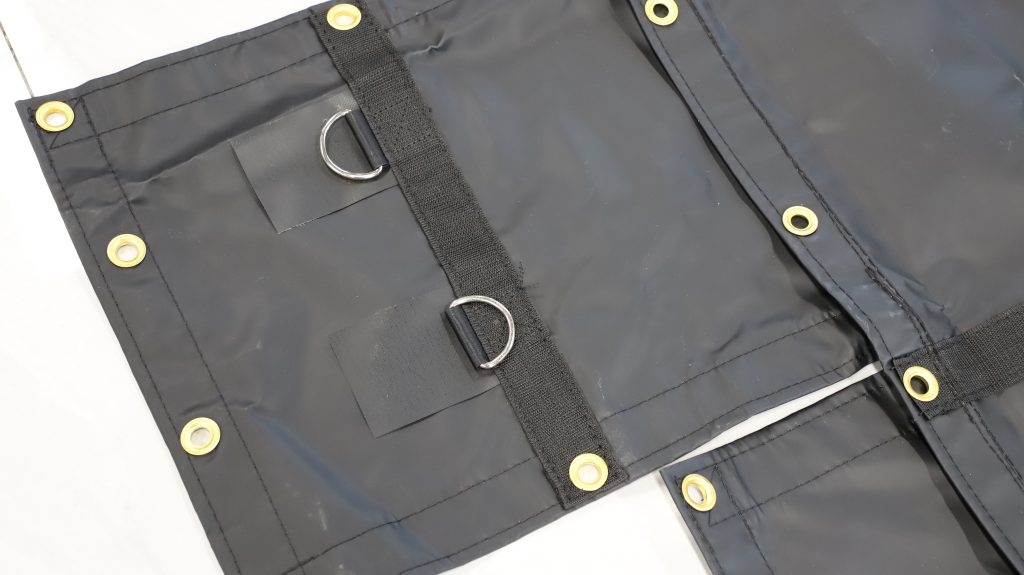
- Reinforced D-Rings: Each D-ring is sewn under a heavy-duty webbing patch. This prevents the rings from “popping” under the intense tension of bungee cords and straps.
- UV & Mildew Resistance: Our specialized coating reflects solar radiation, preventing the fabric from “sticky” degradation over years of service.
🛡️ The Lvxin Difference: 10 Years of Fleet-Tested Reliability
“At Lvxin, we don’t just manufacture tarps; we engineer peace of mind.”
- Cold-Crack Rated: Our tarps are tested to remain pliable down to -40°C/F. No more fighting with frozen, stiff fabric in a blizzard.
- Precision Engineering: Every D-ring is spaced exactly to fit standard North American flatbed rub rails, ensuring a tight, aerodynamic fit every time.
- Weight vs. Strength: We offer high-strength lightweight vinyl options, reducing the physical strain on drivers during tarping without compromising on tear strength.
This Tarp Care & Maintenance Guide is designed as a professional PDF or “After-Sales” insert for your customers. It reinforces your 10-year industry expertise by showing that you care about the product’s longevity long after the sale.
Flatbed Tarp Care & Maintenance Guide
Maximize the Life of Your Lvxin Professional Grade Tarps
A high-quality 18oz vinyl tarp is a significant investment. With proper care, a Lvxin tarp can protect your freight for years. Neglect, however, can lead to premature wear and costly roadside failures. Follow these industry-standard practices to keep your tarps in top condition.
1. Installation: The “Tightness” Rule
The #1 killer of tarps is wind whip. If a tarp is loose, it will flap at highway speeds, creating a “shattering” effect on the vinyl coating.
- Bungee Strategy: Always use high-quality rubber bungees. Apply enough tension so the tarp is drum-tight.
- Smooth the Air: Ensure the front of the tarp is tucked or secured tightly to prevent air from getting underneath and “ballooning” the fabric.
2. Corner Protection (Critical)
Sharp edges on steel, machinery, or lumber will slice through even the toughest 18oz vinyl.
- Never Tarp Bare Edges: Always use Corner Protectors or moving blankets between the cargo’s sharp points and the tarp.
- The Lvxin Tip: If you are in a pinch, a piece of scrap carpet or old fire hose can act as a temporary buffer.
3. Cleaning & Washing
Road salt, oil, and grime can chemically degrade vinyl over time.
- Mild Soap Only: Use a mild dish soap and a soft-bristled brush.
- Avoid Harsh Chemicals: Never use “brighteners,” bleach, or petroleum-based solvents. These strip the UV-protective coating and make the tarp brittle.
- Rinse Thoroughly: Ensure all soap residue is removed before drying.
4. Drying Before Storage
Never fold and store a wet tarp. * Prevent Mildew: Storing a damp tarp leads to mildew growth and “wicking,” where moisture enters the internal polyester scrim, causing the layers to delaminate (peel).
- Air Dry: Hang the tarp or spread it out in a dry, shaded area until completely moisture-free.
5. Regular Inspections & Quick Repairs
Small holes become big tears during a windstorm.
- The “Sunlight” Test: Occasionally hold the tarp up to the light. Small pinholes will shine through.
- Repair Kits: Always keep a Vinyl Repair Kit (HH-66 glue and vinyl patches) in your headache rack.
- Seal the D-Rings: Check the stitching around D-rings and grommets. If you see loose threads, trim them and apply a drop of adhesive to prevent unravelling.
6. Folding Technique
Avoid folding the tarp in the exact same creases every time, as this can create permanent “stress lines” in the vinyl.
- The “Trifold” Method: Fold the sides toward the center, then roll the tarp tightly from one end to the other to minimize sharp creases.
“A well-maintained tarp isn’t just equipment—it’s your reputation on the road.” — The Lvxin Engineering Team